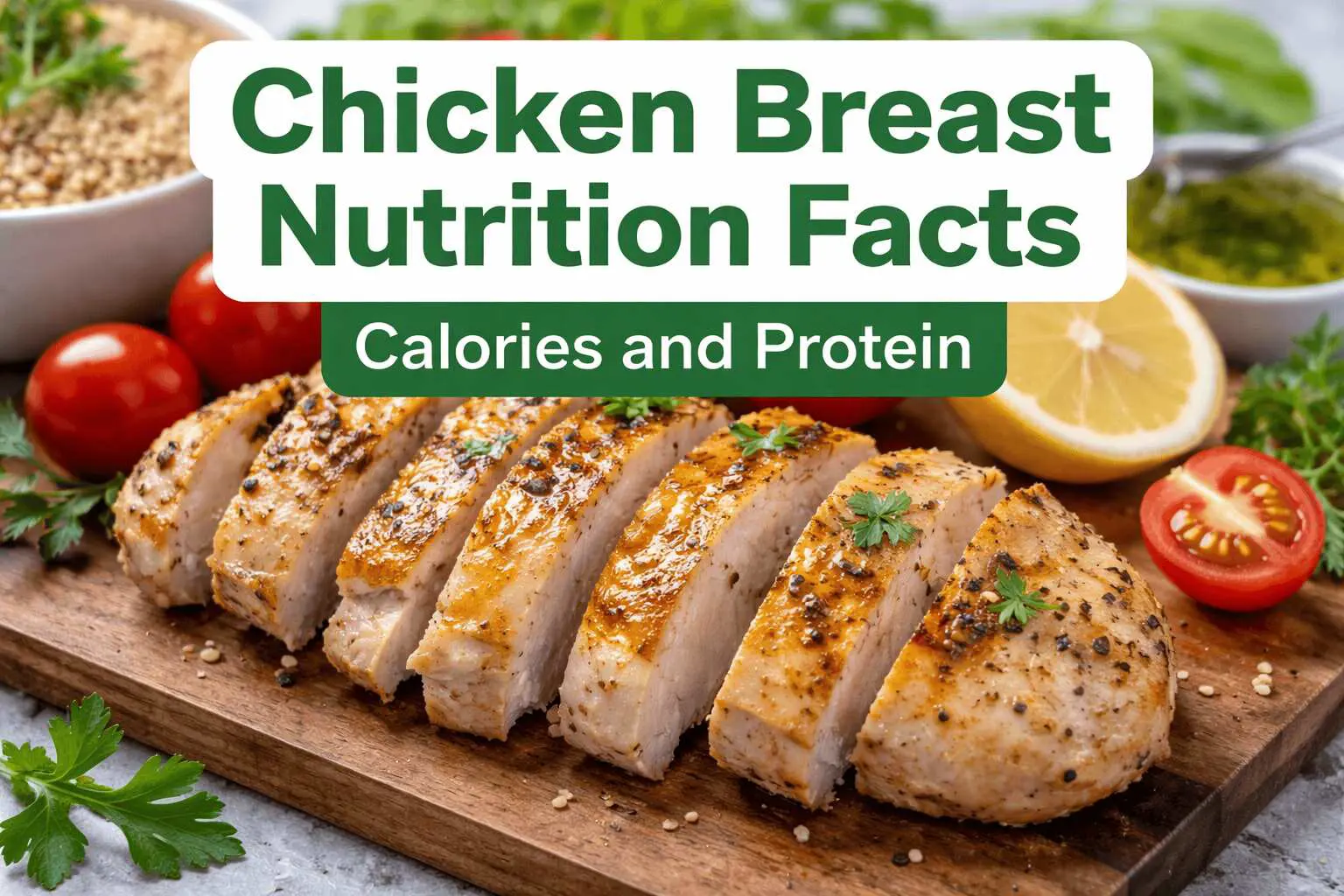
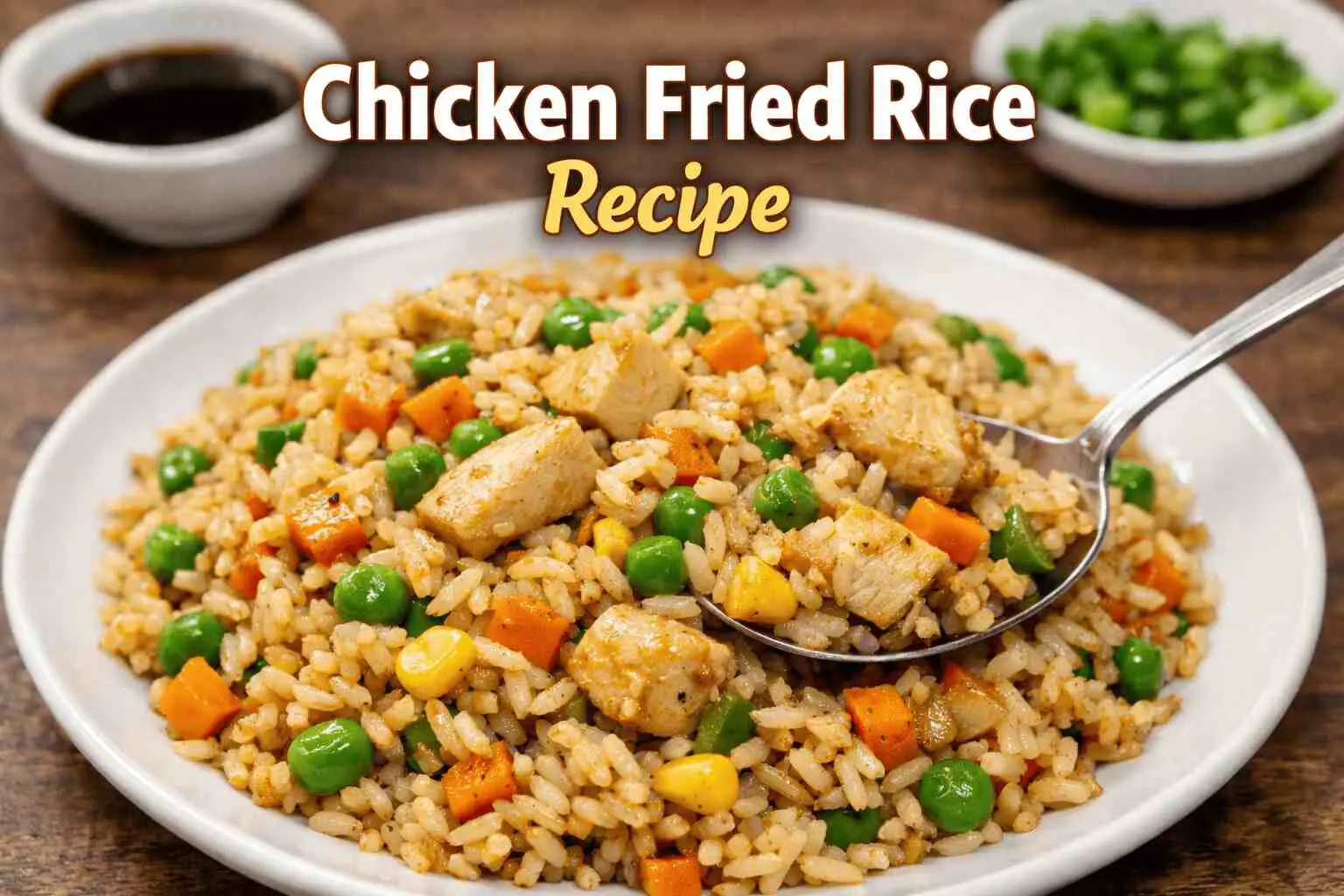
Chicken breast is one of the most popular lean protein sources worldwide. It is commonly sold skinless and boneless, which further reduces fat and calorie content.
Chicken breast comes from the leanest part of the chicken, located on either side of the breastbone. Favored by fitness enthusiasts, weight-watchers, and health-conscious eaters alike, it delivers high-quality protein with relatively low calories and fat. Because of its mild flavor and versatility, chicken breast fits easily into many cuisines and meal plans.
Chicken Breast Nutritions (Per 100g, Cooked, Skinless)
Below is an approximate nutritional breakdown of cooked, skinless chicken breast:
-
Calories: 165 kcal
-
Protein: 31 g
-
Fat: 3.6 g
-
Saturated Fat: 1 g
-
Cholesterol: 85 mg
-
Carbohydrates: 0 g
-
Sodium: 74 mg
-
Iron: 0.9 mg
-
Potassium: 256 mg
These values may vary slightly depending on cooking method and portion size, but they highlight why chicken breast is considered a lean protein powerhouse.
Calories in Chicken Breast
One of the main reasons chicken breast is so popular is its low calorie density. A 100-gram serving provides about 165 calories, most of which come from protein rather than fat.
Why Chicken Breast Is Low in Calories
-
It contains very little fat when the skin is removed
-
It has zero carbohydrates
-
Protein requires more energy to digest, increasing calorie efficiency
This makes chicken breast an excellent option for people aiming to lose weight, maintain weight, or build lean muscle without excessive calorie intake.
Protein Content in Chicken Breast
Chicken breast is especially valued for its high protein content. With around 31 grams of protein per 100 grams, it provides nearly half of the daily protein requirement for many adults.
Benefits of High Protein Intake
-
Supports muscle growth and repair
-
Helps maintain lean body mass
-
Promotes fullness and appetite control
-
Supports enzyme and hormone production
Because chicken breast contains all nine essential amino acids, it is considered a complete protein, making it ideal for athletes and active individuals.
Fat Content and Cholesterol
Chicken breast is naturally low in fat, especially when compared to darker cuts like thighs or drumsticks.
-
Total fat is under 4 grams per 100 grams
-
Saturated fat remains minimal
-
Cholesterol is moderate and generally safe for healthy individuals when consumed in moderation
Removing the skin significantly lowers fat and cholesterol levels, making skinless chicken breast a heart-friendly protein option.
Vitamins and Minerals in Chicken Breast
While protein is its standout nutrient, chicken breast also supplies essential vitamins and minerals:
Key Nutrients Include:
-
Vitamin B6: Supports metabolism and brain function
-
Niacin (Vitamin B3): Helps convert food into energy
-
Phosphorus: Supports strong bones and teeth
-
Selenium: Acts as an antioxidant and supports immunity
These micronutrients contribute to overall health beyond just muscle support.
Health Benefits of Chicken Breast
1. Supports Weight Loss
High protein and low calorie content help keep you full longer, reducing overall calorie intake. Protein also helps stabilize blood sugar levels, which can reduce cravings and prevent overeating throughout the day. Including chicken breast in meals can make calorie-controlled diets more sustainable and satisfying.
2. Builds and Maintains Muscle
The high-quality protein supports muscle recovery and growth, especially after exercise. Chicken breast provides essential amino acids that help prevent muscle breakdown during weight loss or intense training. Regular intake can improve strength, muscle tone, and overall physical performance.
3. Heart-Friendly Protein
Low saturated fat makes chicken breast a better option for heart health compared to fatty meats. Replacing red or processed meats with chicken breast may help lower bad cholesterol (LDL) levels. This can reduce the risk of heart disease when combined with a balanced lifestyle.
4. Supports Metabolism
B vitamins help convert nutrients into usable energy, supporting daily metabolic processes. Vitamin B6 and niacin play a key role in protein metabolism and nervous system function. These nutrients help the body efficiently use calories for energy rather than storing them as fat.
Best Cooking Methods to Preserve Nutrition
The way chicken breast is cooked can affect its calorie and fat content.
Healthiest Cooking Options:
-
Grilling
-
Baking
-
Boiling
-
Air-frying
-
Steaming
Avoid deep-frying or cooking with excessive oil, as this significantly increases calorie and fat content.
How Much Chicken Breast Should You Eat?
A typical serving size of chicken breast ranges from 100 to 150 grams per meal, depending on individual calorie and protein needs. For most healthy adults, consuming chicken breast 3 to 5 times per week can comfortably fit into a balanced diet. Athletes, bodybuilders, or highly active individuals may benefit from slightly larger portions to meet higher protein requirements.
However, it’s important to balance chicken breast with other protein sources such as fish, eggs, legumes, and dairy to ensure nutrient variety. Portion size should also consider cooking methods, as added oils or sauces can significantly increase calorie intake. Pairing chicken breast with vegetables, whole grains, and healthy fats helps create a complete and nutritionally balanced meal.
Conclusion
Chicken breast is a nutrient-dense, lean protein source packed with high-quality protein and relatively low calories. Its impressive nutrition profile makes it ideal for weight management, muscle building, and overall health. When prepared using healthy cooking methods, chicken breast can be a delicious and dependable part of a balanced diet.
If your goal is to increase protein intake without excess calories, chicken breast remains one of the best choices available.