Boiled eggs are a versatile and nutritious food enjoyed around the world. Whether added to salads, sandwiches, or eaten on their own, they provide an excellent source of protein and essential nutrients.
Knowing the proper storage time is crucial to avoid foodborne illnesses and maintain their taste and texture. In this guide, we’ll explore the shelf life of boiled eggs, proper storage methods, and tips to ensure they stay fresh.
In this guide, we’ll explore how long boiled eggs last, the best ways to store them, tips to keep them fresh, and the signs that indicate they’ve gone bad, so you can enjoy them with confidence.
Shelf Life of Boiled Eggs in the Fridge
When it comes to boiled eggs, their longevity depends on several factors including how they were cooked, handled, and stored.
-
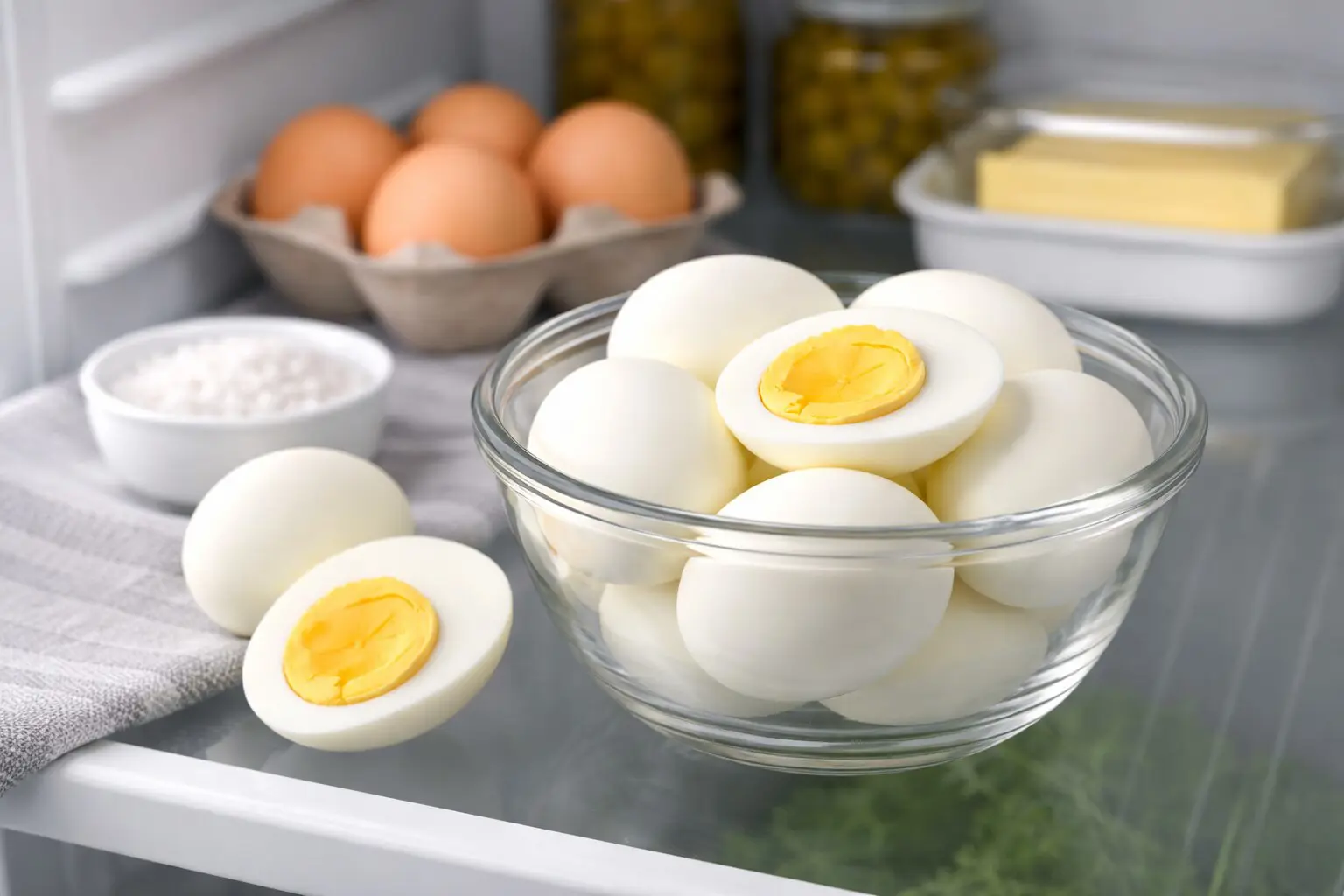
Hard-Boiled Eggs: Once fully cooked and cooled, hard-boiled eggs can typically last up to one week in the refrigerator. This applies to both peeled and unpeeled eggs, although unpeeled eggs tend to last slightly longer as the shell provides natural protection against bacteria.
-
Soft-Boiled Eggs: Soft-boiled eggs, with their slightly runny yolks, have a shorter shelf life. They should ideally be consumed within 2 days of cooking if stored in the fridge.
It’s important to note that refrigeration should start as soon as possible after boiling. Leaving boiled eggs at room temperature for more than two hours can increase the risk of bacterial growth.
How to Store Boiled Eggs Properly
Proper storage is key to maximizing the freshness and safety of boiled eggs. Here’s how to do it effectively:
-
Cool Eggs Quickly: After boiling, place eggs in a bowl of ice water or run them under cold water for at least 5 minutes. This stops the cooking process and prevents overcooking.
-
Refrigerate Promptly: Store cooled eggs in the refrigerator at a temperature below 40°F (4°C).
-
Keep in the Shell: If possible, store eggs in their shells until ready to eat. The shell acts as a barrier against bacteria and helps prevent moisture loss.
-
Use a Container: Place boiled eggs in a clean, airtight container to avoid absorbing odors from other foods in the fridge.
-
Labeling: For convenience, mark the date of boiling on the eggs or container to track freshness easily.
Peeled vs. Unpeeled Boiled Eggs
The storage duration of boiled eggs differs slightly depending on whether they are peeled or unpeeled:
-
Unpeeled Boiled Eggs: Can last up to 7 days in the refrigerator. The shell protects the egg from bacteria and moisture loss.
-
Peeled Boiled Eggs: Should be stored in an airtight container and ideally consumed within 5 days. To prevent drying, you can place a damp paper towel in the container with the eggs.
Signs That Boiled Eggs Have Gone Bad
Even with proper storage, boiled eggs don’t last forever. It’s important to know the signs of spoilage:
-
Smell: A strong sulfur or rotten odor is a clear sign the egg is no longer safe to eat.
-
Appearance: Discoloration of the yolk or white, or the presence of mold, indicates spoilage.
-
Texture: Slimy or chalky whites, or dry and crumbly yolks, suggest the egg is past its prime.
If any of these signs are present, it’s best to discard the egg immediately.
Tips to Extend Boiled Egg Freshness
To make your boiled eggs last longer and stay fresh, consider the following tips:
-
Store Eggs Separately: Avoid storing boiled eggs next to strong-smelling foods like onions or fish to prevent odor absorption.
-
Don’t Freeze: Freezing boiled eggs can ruin their texture, making whites rubbery and yolks crumbly. It’s better to eat them within the recommended storage period.
-
Consider Pickling: Pickled eggs can last several weeks in the refrigerator while maintaining flavor and safety.
Using Leftover Boiled Eggs Safely
Leftover boiled eggs can be enjoyed in various ways while ensuring food safety:
-
Salads: Chop or slice eggs to add protein to salads.
-
Sandwiches: Use peeled boiled eggs in sandwiches or wraps.
-
Snacks: Sprinkle with salt and pepper for a quick snack.
-
Egg Salad: Mash boiled eggs with mayo, mustard, and spices for a classic egg salad.
Always make sure leftover eggs are used within the recommended storage period to prevent illness.
Conclusion
Boiled eggs are a nutritious and convenient food, but understanding their shelf life is essential for safety and quality. Unpeeled hard-boiled eggs last up to one week in the fridge, while peeled eggs are best consumed within five days.
By following proper cooling, refrigeration, and storage techniques, you can enjoy fresh, safe, and delicious boiled eggs without waste. Always check for signs of spoilage before eating, and when in doubt, throw it out. Proper handling ensures your boiled eggs stay fresh and safe for all your meals.