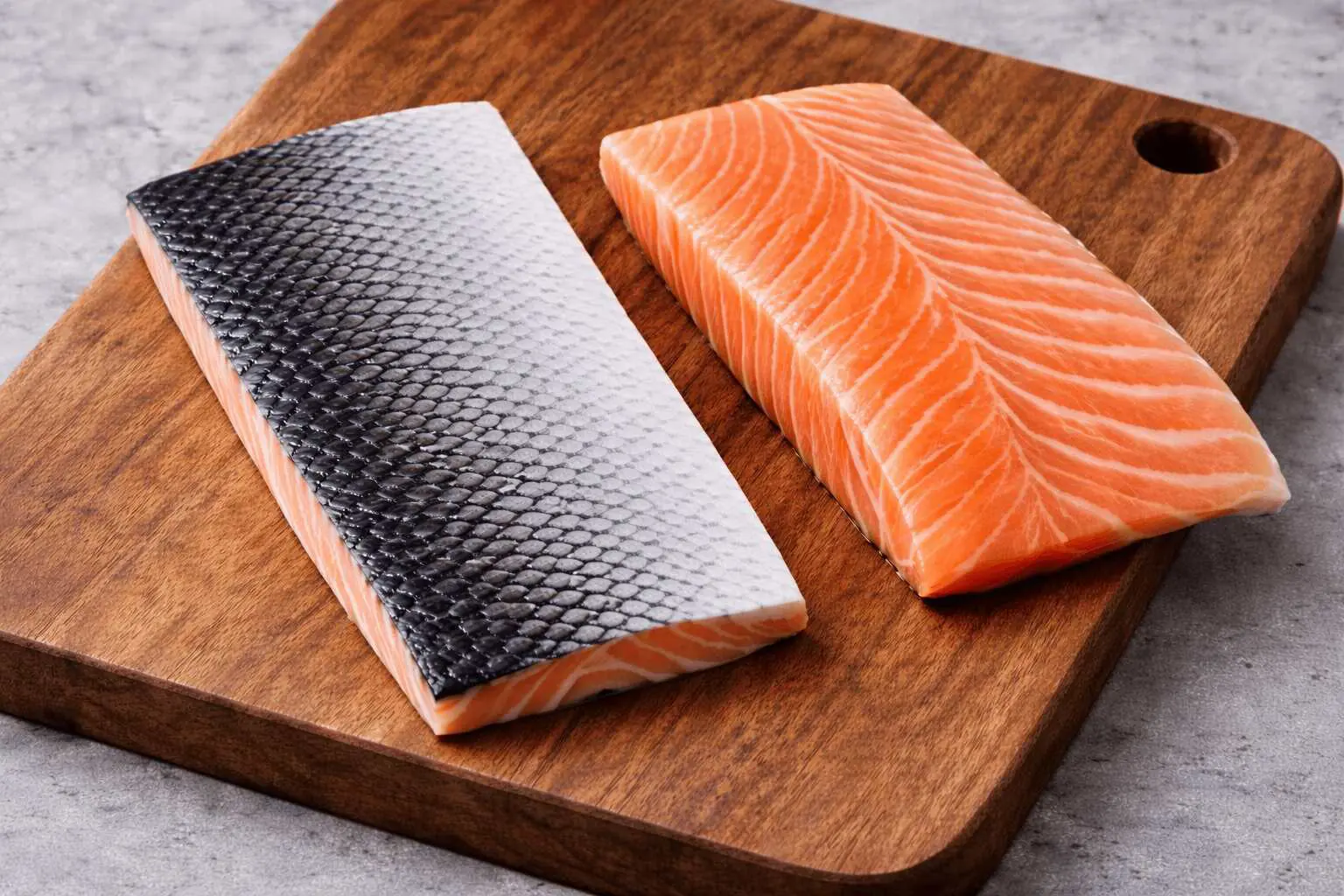
Salmon is a popular fish known for its rich flavor, healthy fats, and high protein content. But what about salmon skin? Many people wonder whether it’s safe to eat or if it has any nutritional value. The good news is yes, you can eat salmon skin, and it’s actually packed with nutrients that can benefit your health.
Eating salmon skin is more than just a way to enjoy extra flavor, it can be a smart addition to your diet if prepared properly. Let’s break down its benefits, nutritional content, risks, and tips for cooking it.
Is Salmon Skin Safe to Eat?
Salmon skin is completely safe to eat, as long as it is cooked thoroughly. Raw salmon skin can carry bacteria or parasites, so cooking it is essential. Popular cooking methods include grilling, baking, broiling, or pan-searing.
Wild-caught salmon is generally considered safer and cleaner than farmed salmon because farmed varieties may contain higher levels of pollutants. However, both can be eaten if properly prepared.
Tip: Always remove any scales before cooking salmon skin, as scales are tough and inedible. Also, avoid using leftover salmon skin that has been left at room temperature for too long to reduce the risk of bacterial growth.
Nutritional Value of Salmon Skin
Salmon skin is surprisingly nutritious. Here’s what it offers per 100 grams:
Calories: 200–250 kcal
Protein: 20–25 g
Omega-3 Fatty Acids: 1,500–2,000 mg
Vitamin D: 600 IU
Collagen & Elastin: Supports healthy skin and joints
The high protein and omega-3 content make salmon skin an excellent choice for heart and brain health. Collagen and elastin in the skin also help maintain skin elasticity and joint function.
Eating salmon skin in moderation can contribute to your daily intake of healthy fats, proteins, and essential vitamins, making it a nutritious addition to any meal.
Health Benefits of Eating Salmon Skin
1. Rich in Omega-3 Fatty Acids
Omega-3 fatty acids help reduce inflammation, support heart health, and promote brain function. Eating salmon skin provides a concentrated source of these essential fats. Regular consumption may help lower the risk of cardiovascular diseases and improve cognitive performance. It can also help regulate blood pressure and reduce the risk of metabolic disorders.
2. High in Protein
Protein is crucial for building and repairing muscles. Salmon skin contains a significant amount of protein, which makes it ideal for fitness enthusiasts or anyone looking to maintain muscle mass. Additionally, protein helps stabilize blood sugar levels and keeps you feeling full longer, which may aid in weight management.
3. Supports Skin and Joint Health
Collagen and elastin in salmon skin are essential for maintaining healthy, elastic skin. They also support joint flexibility and reduce stiffness. Including salmon skin in your diet may help slow down signs of aging, strengthen connective tissues, and promote overall joint mobility.
4. May Reduce Heart Disease Risk
The combination of omega-3 fatty acids and protein supports cardiovascular health. Regular intake can help lower blood pressure, reduce cholesterol levels, and decrease inflammation. These benefits make salmon skin a heart-friendly addition to a balanced diet.
5. Packed with Vitamins and Minerals
Salmon skin contains vitamin D, selenium, and phosphorus, which support immunity, bone health, and overall wellness. These nutrients help maintain energy levels, strengthen your body’s natural defenses, and promote healthy teeth and bones. Vitamin D in particular also supports mental health and mood regulation.
Side Effects of Eating Salmon Skin
While salmon skin is nutritious, there are some risks to keep in mind:
1. High in Fat and Calories
Salmon skin is calorie-dense due to its fat content. Overeating it regularly may lead to weight gain if not balanced with other foods.
2. Potential Contaminants
Farmed salmon skin can contain higher levels of pollutants like mercury or PCBs. Choosing wild-caught salmon reduces this risk.
3. Allergic Reactions
People with seafood allergies may react to salmon skin just like the flesh. Always be cautious if you have a history of fish allergies.
4. Improper Cooking Risks
Eating undercooked salmon skin can expose you to bacteria or parasites. Always cook thoroughly to ensure safety.
5. Excessive Sodium in Processed Products
Commercial salmon skin snacks or pre-seasoned products may contain high amounts of salt. Too much sodium can raise blood pressure and affect heart health.
How to Eat Salmon Skin
Eating salmon skin is easier than it seems. Here are some popular ways:
1. Pan-Seared Salmon Skin
Brush the skin with olive oil, season with salt and pepper, and sear it on medium heat until crispy. Serve alongside your salmon fillet or as a standalone snack.
2. Grilled Salmon Skin
Marinate salmon with your favorite herbs and spices, then grill it skin-side down for a crispy, smoky flavor.
3. Baked Salmon Skin Chips
Cut the skin into small strips, season lightly, and bake until crunchy. These make a delicious, healthy alternative to potato chips and are perfect for a low-carb snack.
4. Sushi and Sashimi
In Japanese cuisine, salmon skin rolls (kappa-maki) or skin sushi are common. Ensure the salmon is fresh and handled safely to reduce any risk of contamination.
5. Soups and Stews
Salmon skin can also be added to soups or stews. The collagen in the skin helps thicken the broth naturally while adding flavor and nutrients.
Final Thoughts
Salmon skin is not just edible- it’s healthy, flavorful, and versatile. Rich in omega-3s, protein, and collagen, it can support heart, brain, skin, and joint health. Cooking it properly ensures safety and enhances its natural taste.
From crispy skin chips to sushi rolls and soups, there are many ways to enjoy it. While you should be mindful of calorie intake, potential contaminants, and sodium levels, the benefits often outweigh the risks when consumed in moderation.
Next time you cook salmon, don’t toss the skin - embrace it for its nutrition, flavor, and health benefits.
FAQ Section
1. Can I eat raw salmon skin?
Raw salmon skin is not recommended due to the risk of bacteria and parasites. Cook it thoroughly to be safe.
2. Does salmon skin contain mercury?
Yes, especially in farmed salmon. Choosing wild-caught salmon minimizes the risk of mercury exposure.
3. How often should I eat salmon skin?
Moderation is best. A few times a week is sufficient to enjoy its health benefits without consuming excess calories.
Author
Rojina Pokhrel
Rojina Pokhrel is a food enthusiast and writer who believes that every meal tells a story. With a deep love for traditional flavors and a curiosity for new tastes, she explores how food connects people, places, and memories. Her writing blends personal reflections with cultural insights, capturing the soul of recipes and the warmth of shared meals.
Whether she's documenting heirloom dishes or uncovering hidden culinary gems, Rojina brings heart, heritage, and a sense of wonder to every piece she writes.