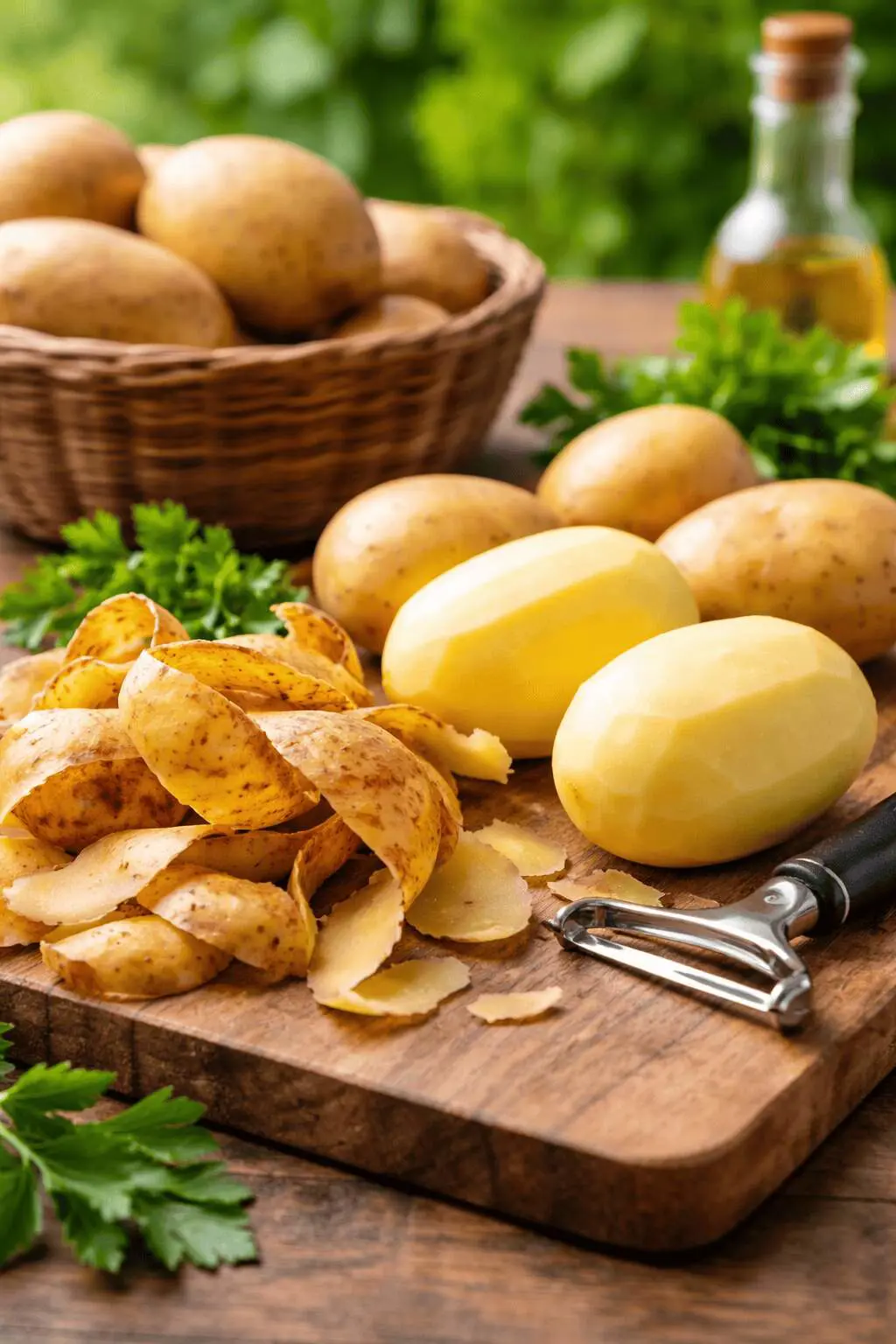
Potatoes are one of the most widely consumed vegetables in the world, valued for their versatility, affordability, and comforting taste. While most people enjoy potatoes mashed, roasted, or fried, many peel off the skin without a second thought.
Potato skin is edible and surprisingly nutritious when prepared properly. The skin contains a concentrated amount of fiber, vitamins, minerals, and antioxidants that are often lost when peeling. However, there are also some safety considerations to keep in mind. This article explores the nutritional benefits of potato skin, possible risks, the best ways to eat it, and who should be cautious.
Potato skins are commonly eaten in baked potatoes, roasted potatoes, and even as crispy potato skins appetizers. The key is choosing healthy potatoes that are free from green spots, mold, or sprouting, as these can contain harmful compounds. When consumed correctly, potato skin can be a valuable addition to a balanced diet.
Nutritional Value of Potato Skin
Potato skin is rich in nutrients that support overall health. It contains dietary fiber, potassium, iron, magnesium, vitamin C, and B vitamins. In fact, a large portion of a potato’s fiber and antioxidants are found in the skin rather than the flesh.
The skin also contains polyphenols, which help protect the body from oxidative stress. Leaving the skin on helps preserve these nutrients and improves the overall nutritional profile of the potato.
Health Benefits of Eating Potato Skin
1. High in Dietary Fiber
Potato skin is an excellent source of dietary fiber, which supports healthy digestion and helps prevent constipation. Fiber also promotes a feeling of fullness, which may help with appetite control and weight management. Eating potatoes with the skin can significantly increase your daily fiber intake.
2. Supports Heart Health
The potassium found in potato skin helps regulate blood pressure by balancing sodium levels in the body. Adequate potassium intake supports proper heart function and may reduce the risk of hypertension and cardiovascular disease.
3. Rich in Antioxidants
Potato skins contain antioxidants such as chlorogenic acid, which help fight free radicals and reduce inflammation. These antioxidants may play a role in lowering the risk of chronic diseases, including heart disease and certain cancers.
4. Helps Maintain Blood Sugar Balance
The fiber in potato skin slows down digestion and the absorption of carbohydrates, helping to prevent rapid spikes in blood sugar levels. This can be especially beneficial for people managing insulin sensitivity when potatoes are prepared in a healthy way.
5. Supports Immune Function
Vitamin C and iron found in potato skin contribute to a stronger immune system. Vitamin C supports immune cell function, while iron plays a role in oxygen transport throughout the body.
Risks and Side Effects of Eating Potato Skin
1. Solanine Toxicity
Potato skins can contain solanine, a naturally occurring toxin found in higher amounts in green or sprouted potatoes. Consuming large amounts of solanine may cause nausea, headaches, or digestive discomfort. Always discard potatoes with green patches or bitter taste.
2. Pesticide Residue
Potato skins may contain pesticide residues, especially on conventionally grown potatoes. Washing thoroughly, scrubbing the skin, or choosing organic potatoes can help reduce this risk.
3. Digestive Sensitivity
Some people may experience bloating or discomfort from the fiber content in potato skin, particularly if they are not used to high-fiber foods. Starting with small portions can help the body adjust.
How to Eat Potato Skin Safely and Healthily
1. Wash and Scrub Thoroughly
Before cooking, wash potatoes under running water and scrub the skin to remove dirt and bacteria. Avoid using soap or chemicals.
2. Bake or Roast with Skin On
Baking or roasting potatoes with the skin on is one of the healthiest ways to enjoy them. This method preserves nutrients and enhances flavor without excessive fat.
3. Make Crispy Potato Skins
Potato skins can be baked until crispy and seasoned with herbs, olive oil, or spices for a nutritious snack. Avoid deep frying to keep calories and unhealthy fats low.
4. Add to Soups and Stews
Leaving the skin on when adding potatoes to soups or stews increases fiber and texture while boosting nutritional value.
5. Pair with Healthy Toppings
Instead of butter and heavy cream, top skin-on potatoes with yogurt, herbs, vegetables, or lean protein for a balanced meal.
Who Should Avoid Potato Skin?
People with digestive disorders, kidney issues requiring low potassium intake, or sensitivities to nightshade vegetables may need to limit or avoid potato skin. If you have health concerns, consulting a healthcare professional is recommended.
Final Thoughts
Potato skin is not only edible but also packed with essential nutrients that support digestion, heart health, and overall wellness. When properly cleaned and cooked, eating potato skin can enhance the nutritional value of your meals.
While there are some risks associated with green or improperly stored potatoes, mindful selection and preparation make potato skin a healthy and sustainable choice. Including skin-on potatoes in your diet is a simple way to reduce food waste and maximize nutrition.
FAQ Section
1. Is potato skin healthy to eat?
Yes, potato skin is packed with fiber, vitamins, and antioxidants. Eating it along with the flesh maximizes the nutritional benefits.
2. Can everyone eat potato skin?
Not everyone. People with kidney problems or those prone to digestive issues may need to limit or avoid potato skin due to its high potassium and fiber content.
3. How should I prepare potato skin safely?
Wash potatoes thoroughly to remove dirt and pesticides. Baking, boiling, or roasting with the skin on is a healthy way to enjoy it.
4. Does potato skin help with digestion?
Yes, the fiber in potato skin supports digestion and promotes regular bowel movements. However, too much fiber at once may cause bloating in sensitive individuals.
5. Are there risks in eating green potato skin?
Yes, green or sprouted potato skin contains solanine, a natural toxin. Consuming it can cause nausea or digestive issues, so it should be avoided.
Author
Rojina Pokhrel
Rojina Pokhrel is a food enthusiast and writer who believes that every meal tells a story. With a deep love for traditional flavors and a curiosity for new tastes, she explores how food connects people, places, and memories. Her writing blends personal reflections with cultural insights, capturing the soul of recipes and the warmth of shared meals.
Whether she's documenting heirloom dishes or uncovering hidden culinary gems, Rojina brings heart, heritage, and a sense of wonder to every piece she writes.