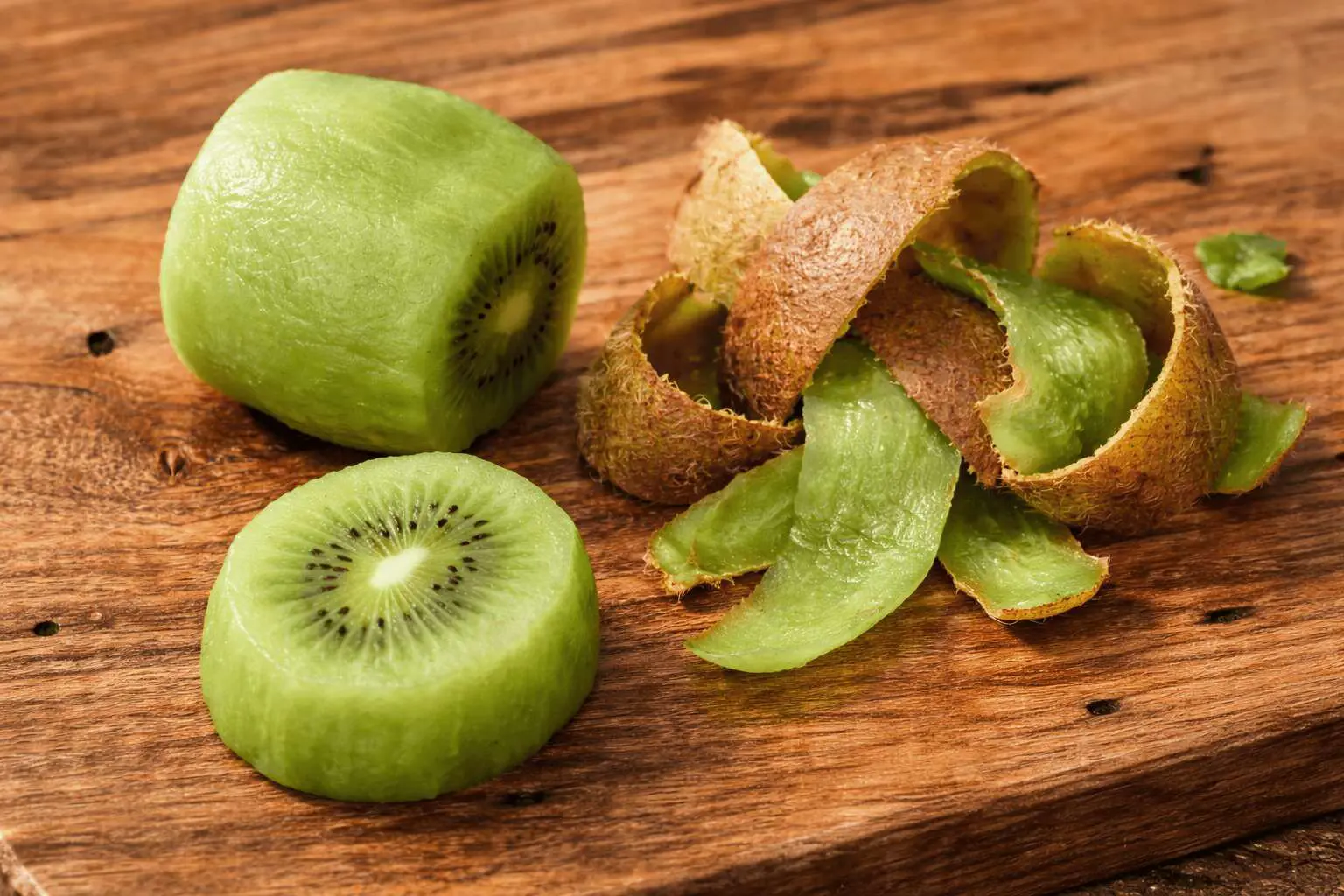
Kiwi, with its vibrant green flesh and tiny black seeds, is a popular tropical fruit known for its sweet-tart flavor and impressive nutritional profile.
Many people enjoy the fruit after peeling it, but a common question arises: can you eat kiwi skin? The truth is, the skin of a kiwi is completely edible and packed with nutrients that you might be missing if you discard it. While the fuzzy exterior may seem off-putting to some, it adds a unique texture and boosts the fruit’s health benefits when eaten.
Eating kiwi skin can be a convenient and sustainable way to consume the fruit while maximizing its fiber, vitamins, and antioxidants. Understanding the benefits, possible risks, and the best ways to eat kiwi skin can help you enjoy this fruit in a whole new way.
Why Eating Kiwi Skin is Beneficial
The skin of a kiwi contains concentrated nutrients that complement the flesh, making it one of the most nutritious parts of the fruit. Here are some key benefits:
1. High in Dietary Fiber
Kiwi skin is rich in dietary fiber, which supports digestion, promotes bowel regularity, and helps maintain healthy gut bacteria. Eating the skin along with the fruit can significantly increase fiber intake, keeping you fuller for longer and helping to manage weight.
Fiber also helps regulate blood sugar levels, reducing spikes after meals. Including the skin can enhance overall digestive efficiency and promote a healthier gut microbiome.
2. Packed with Vitamins and Antioxidants
The skin contains vitamin C, vitamin E, and polyphenols, which help fight oxidative stress and boost immunity. Vitamin C supports collagen formation for healthy skin and strengthens the immune system, while antioxidants in the skin help protect your cells from damage caused by free radicals.
Additionally, these compounds may improve eye health and prevent premature aging. Consuming the skin can significantly increase your intake of these protective nutrients compared to eating the flesh alone.
3. Supports Heart Health
Kiwi skin is a good source of potassium and soluble fiber, both of which are known to help regulate blood pressure and support overall cardiovascular health. Regular consumption may reduce the risk of heart-related issues over time. The skin’s nutrients can also help lower cholesterol levels naturally.
Eating the whole fruit promotes better blood vessel function, contributing to long-term heart wellness.
4. Anti-inflammatory Properties
Certain compounds in kiwi skin, including flavonoids, have anti-inflammatory effects, which may benefit joint health and reduce inflammation-related conditions. These compounds can help alleviate mild symptoms of arthritis and other inflammatory disorders.
Including the skin in your diet may also reduce overall oxidative stress in the body, promoting a balanced immune response.
5. Reduces Food Waste
By eating kiwi with the skin, you’re consuming the entire fruit, which reduces food waste and maximizes nutritional value. This is not only healthy but also environmentally friendly.
It’s a simple way to make your diet more sustainable without extra effort. Eating the whole fruit also ensures you get all the micronutrients that might otherwise be discarded.
Potential Risks of Eating Kiwi Skin
While kiwi skin is safe for most people, there are some considerations to keep in mind:
1. Texture and Fuzziness
The tiny hairs on the skin can feel rough or irritating in the mouth. Rubbing the skin under running water or lightly peeling the fuzzy layer can make it easier to eat without losing nutrients.
2. Allergic Reactions
Some people may be allergic to kiwi, and the skin can sometimes trigger a stronger reaction than the flesh. Symptoms may include itching, swelling, or irritation in the mouth. Individuals with known fruit allergies should consult a doctor before eating kiwi skin.
3. Digestive Sensitivity
Eating the skin may cause mild digestive discomfort in sensitive individuals due to the high fiber content. Starting with small portions is recommended if you are not used to high-fiber foods.
4. Pesticide Residue
Non-organic kiwis may have pesticide residues on the skin. Washing thoroughly under running water or opting for organic kiwis can reduce this risk.
How to Eat Kiwi Skin Safely
Knowing how to eat kiwi skin properly can make it more enjoyable and easier to digest. Here are some tips:
1. Wash Thoroughly
Always rinse kiwi under running water to remove dirt, bacteria, or pesticide residue. A soft vegetable brush can help clean the fuzzy surface effectively.
2. Remove Excess Fuzz (Optional)
If the fuzz bothers you, rub the skin gently or use a small peeler to remove the outer hairs without peeling off the nutrient-rich skin entirely.
3. Eat Raw or Slice Thinly
Kiwi skin is soft enough to eat raw, especially in thinner slices. Cut the fruit into rounds or cubes and eat the flesh along with the skin to enjoy both texture and nutrition.
4. Add to Smoothies
Blending kiwi with the skin into smoothies is an easy way to enjoy it without dealing with the texture. The skin blends smoothly and increases fiber content.
5. Mix into Salads or Fruit Bowls
Thinly sliced kiwi with skin adds a vibrant green color, texture, and extra nutrition to fruit salads, yogurt bowls, or even savory salads.
Who Should Be Cautious
Most people can safely enjoy kiwi skin, but individuals with allergies to kiwi or other fruits should avoid it. Those with sensitive digestion or conditions like IBS may want to consume the skin in moderation to prevent bloating or discomfort. If you are trying kiwi skin for the first time, start with small amounts to see how your body responds.
Final Thoughts
Kiwi skin is not only edible but also nutrient-dense, offering extra fiber, antioxidants, and vitamins that benefit digestion, immunity, and heart health.
With proper washing and preparation, eating the skin can enhance the flavor, texture, and health benefits of this already powerful fruit. Incorporating the skin into your diet is an easy, sustainable, and tasty way to maximize the nutritional potential of kiwi.
FAQ Section
1. Can You Eat Kiwi Skin Every Day?
Yes, if washed and eaten in moderation. Daily consumption can improve digestion and increase nutrient intake.
2. Does Kiwi Skin Taste Bitter?
The skin can be slightly tart or fuzzy, but the flavor balances with the sweet flesh. Rubbing off excess fuzz can improve the taste.
3. Is Kiwi Skin Good for Digestion?
Absolutely. Kiwi skin is high in dietary fiber, which promotes healthy bowel movements and gut health.
4. Can Children Eat Kiwi Skin?
Yes, but start with thin slices to avoid choking and monitor for any allergic reactions.
5. Can You Blend Kiwi Skin in Smoothies?
Yes, blending is an easy way to consume kiwi skin while keeping the texture smooth and maximizing nutrition.