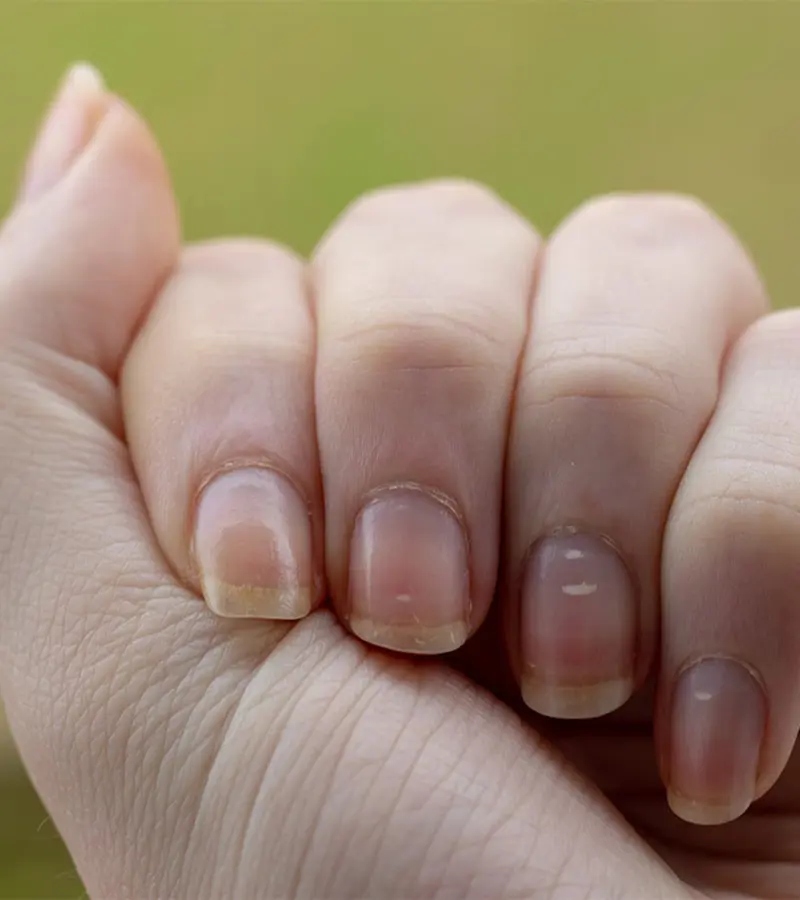
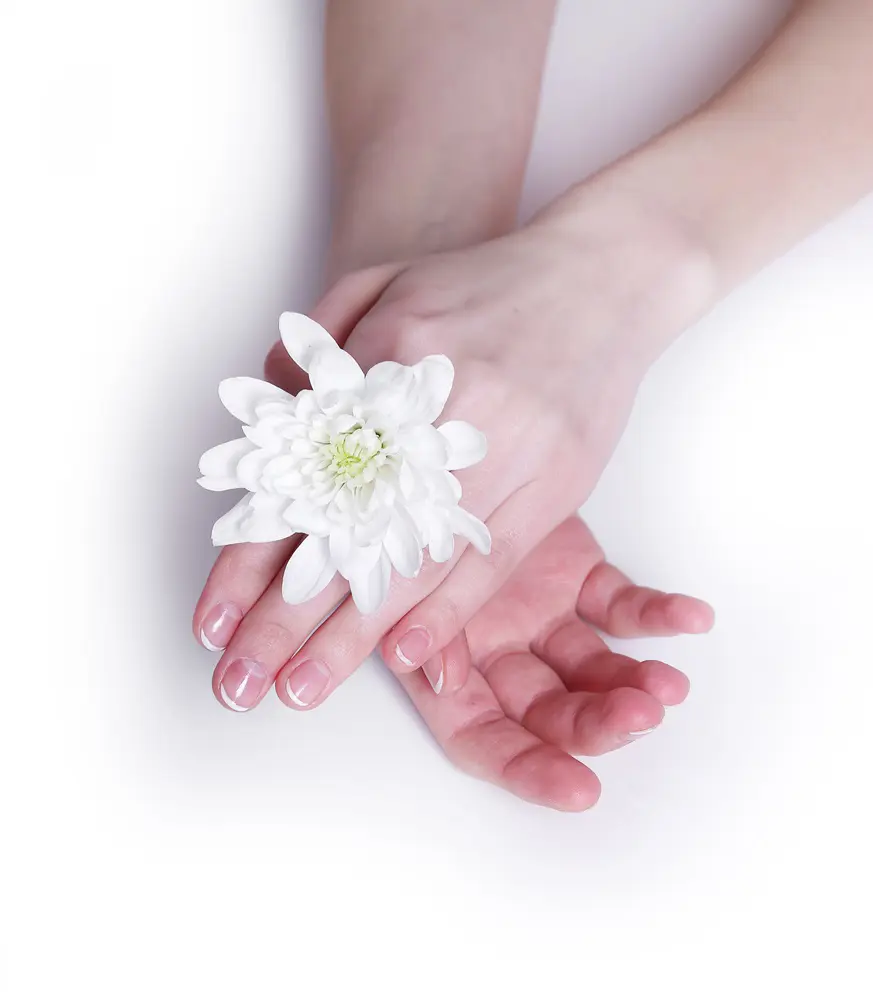
White spots on nails are naturally occurring structures on the nail's surface and are usually harmless. Certain underlying health issues like fungal infections, injury and nutrient deficiencies can lead to the appearance of these white spots.
Also known as leukonychia, white spots typically grow out as the nail grows except in the case of severe ones. Here, we will focus on the causes, home remedies and treatment methods for this condition.
Causes Of White Spots
Injury
Minor injuries are one of the most common causes of white spots. When the nails get injured, it damages the tissue beneath the base of the nail, thereby resulting in white spots.
These white spots generally appear as small, irregularly shaped areas on the nail plate and grow out later. However, depending on the severity of the injury, the exact appearance and progression may vary.
Fungal Infections
Fungal infections associated with onychomycosis are another leading cause of white spots. The infection starts at the tip or along the sides and spreads inward.
The white spots caused by fungal infections may start as small, scattered patches. Gradually, the spots grow larger and become more numerous as the infection progresses. The spots may not always appear white, rather nail may become discolored taking on hues ranging from yellow to brown.
Nutritional Deficiencies
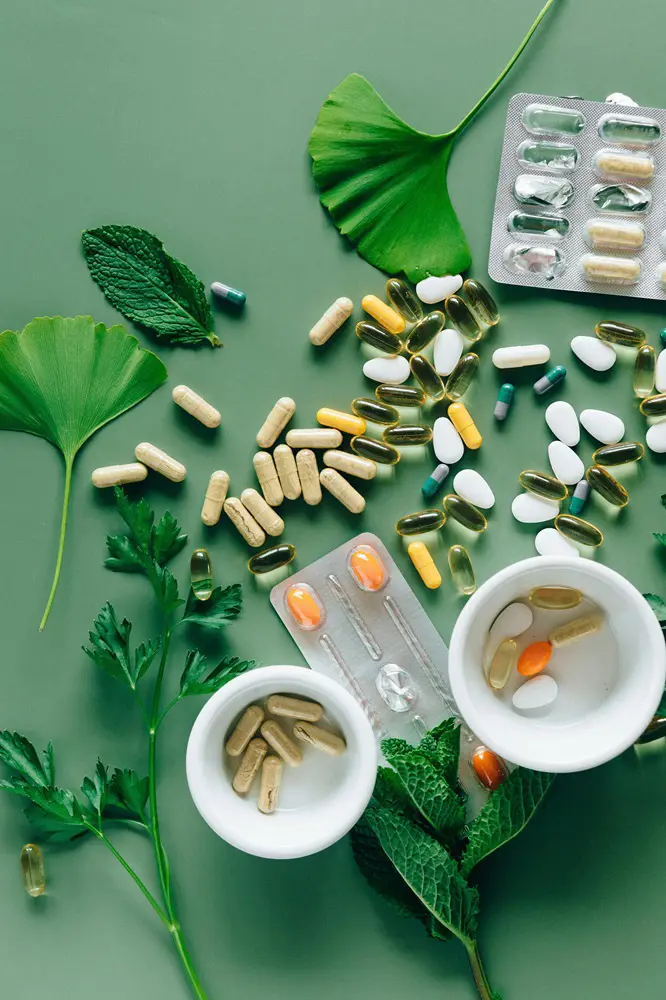
White spots are also indicative of deficiencies in essential nutrients like zinc, calcium, and iron. In the case of zinc deficiency, the protein synthesis process that is required for the synthesis of strong nails is hindered. Likewise, calcium needed for nail strength and integrity, when present in insufficient amounts can result in these white marks.
Other nutritional deficiencies, such as those in vitamins A, B12, and protein, can also lead to changes in nail color and texture. All of these nutrients play various roles in maintaining the structure and function of nails.
Some medications, ones that impact the body's normal metabolic processes or alter nail growth directly, can also interfere with the nail-forming process. They can interfere with the tissue responsible for producing new nail cells which may later manifest as white spots.
In addition, medications that affect mineral absorption or metabolism can lead to nutritional imbalances impacting nail health. Once the medication is adjusted or discontinued, these spots will naturally disappear.
Stress
It is believed that stress can lead to the development of white spots on nails. Stress can impact the immune system, decrease the absorption of minerals and can halt the physiological processes.
As a result, there may be development of white spots. Moreover, as the immune system is weakened, the body becomes less effective at handling minor injuries, including those that can affect nails.
Underlying Medical Conditions
White spots on nails can occasionally signal more serious underlying medical issues. Persistent or unusual changes in nail appearance including white spots might be indicative of health problems such as liver or kidney disease.
Liver dysfunction can affect nutrient absorption while chronic kidney disease can impact the body's ability to excrete waste products. These changes can cause various nail abnormalities, including discoloration, spots, or even changes in nail texture and shape.
Vitamin E is an antioxidant that plays a crucial role in protecting cells from damage. It can help to maintain nail strength and prevent brittleness, all of which are important to maintain healthy growth of nails.
For application, use vitamin E oil. Apply vitamin E oil directly to your nails and cuticles, doing this every night before you go to bed can help provide significant results. It works by moisturizing and nourishing the nail bed. You can also incorporate vitamin E-rich foods such as nuts, seeds, fruits and fish to your diet.
Essential Oils
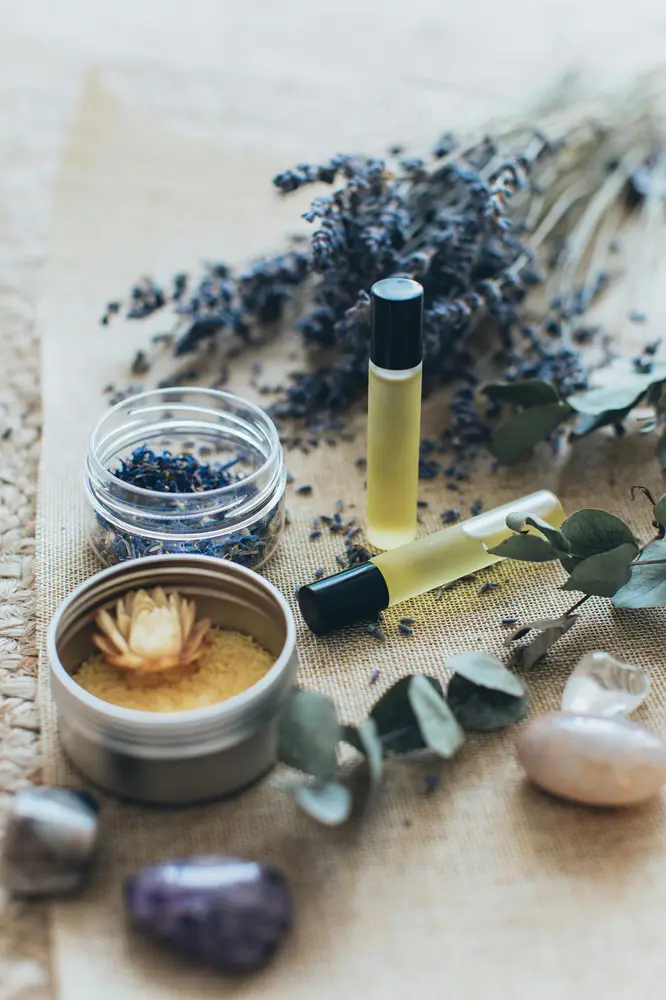
Essential oils including tea tree oil, lavender oil, lemon oil, rosemary oil and almond oil have potential benefits for nail care. While they might not directly target white spots, they can contribute to overall nail health, which can indirectly reduce the chances of such issues.
You can also create a mix of these oils to obtain the desired result fast. Apply the mix or an individual oil to the nail and cuticle at least twice a day. If there are any signs of irritations, you can dilute the oil before use.
Yogurt
Yogurt has been celebrated for its digestive properties. The proteins, calcium and lactic acid present in it also makes it a home remedy to maintain healthy skin and nails. Protein supports nail health by providing a building block for tissues and calcium provides strength to the nails.
For direct application, apply a thin layer of plain, unsweetened yogurt to your nails and cuticles. Allow it to sit for about 15 minutes and rinse off with warm water. Direct application can help moisturize and nourish your nails.
You can also soak your nails in a bowl of plain yogurt for 10-15 minutes. This is specifically beneficial to soften the cuticle and improve nail strength.
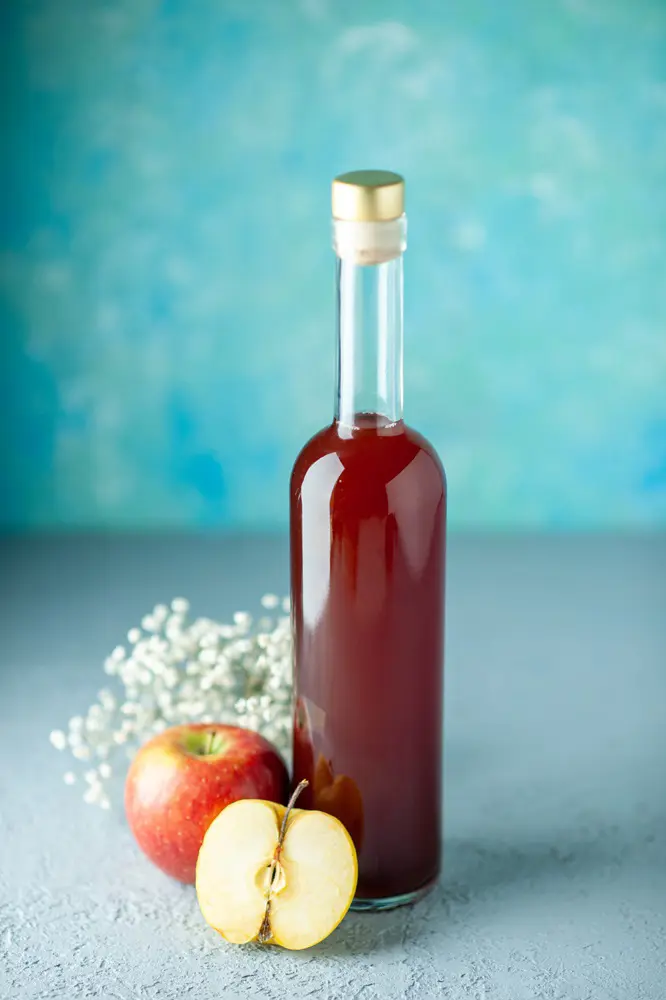
Vinegar, particularly apple cider vinegar (ACV), has gained popularity as a home remedy for many problems including nail problems. The acidity of the vinegar can protect nails from infections caused by fungi, one of the main causes of white spots.
Vinegar can also help to maintain the pH balance of the nails which further restricts the growth of the pathogens. Moreover, vinegar can gently exfoliate the nail bed, removing dead skin cells and supporting nail growth.
How To Use: You can prepare a vinegar soak by mixing equal parts of apple cider vinegar or white vinegar with warm water. Use this solution to soak your nails for about 10 to 15 minutes. You can also use vinegar as a nail rinse. Every time you wash your hands, rinse them with diluted vinegar solution. It's important to dilute vinegar as it is highly acidic and can cause skin irritation, burning sensations, or even chemical burns.
Lemon Slices
The use of lemon slices is a popular home remedy for white spots on nails. Lemon is packed with vitamin C which is important in collagen formation, a tissue crucial for nail strength and growth. The acidic nature of lemon also has a role to play here, as it helps to exfoliate the surface thereby reducing the appearance of white spots.
To use lemon for nail care, simply cut a lemon in half and rub the fleshy side directly onto your nails. Allow the juice to sit for about 20-30 minutes and rinse thoroughly. Regular use of lemon can help you to get rid of the spots faster making your nails look healthier and more vibrant.
Biotin-Rich Foods
Biotin, vitamin B7, is important in maintaining healthy hair, skin, and nails. The deficiency of this vitamin can lead to conditions like brittle nails and the appearance of white spots.
If you have been diagnosed with biotin deficiency, then incorporating biotin-rich food in your diet can help you get rid of these white spots at a faster pace. Foods such as eggs, almonds, sweet potatoes, and spinach are excellent sources of biotin, so consider adding these foods to your meals to help replenish your body's biotin level.
Treatment
As the white spots on nails are not a serious issue and naturally tend to disappear, they don't have a proper treatment. After a certain time as the nail grows, you won't find the spots anymore. This may take several months for fingernails and even longer for toenails.
It's important to add a balanced diet rich in vitamins, minerals, and protein to support the healing process. Foods that can help to overcome the nutrient deficiencies include:
For iron: beans, dark green leafy vegetables, iron-fortified cereals, red meat
For zinc: red meat, poultry, oysters
For calcium: dairy products, lentils, seeds
For excessive deficiencies, you may use supplements of respective minerals/vitamins. However, it's important to consult with a healthcare provider before starting any new supplements, as excessive intake can lead to side effects. You should also take the advice of your healthcare provider to sort out any underlying medical conditions.
The best way to prevent white spots on nails is to maintain good nail hygiene. Keeping your nails clean means you are warding off all the pathogens that can degrade nail health. While cleaning, it is better to pay attention to the undersides of the nail as dirt, debris can accumulate there.
After washing, make sure to dry them. Any residual moisture, if left, can make a perfect environment for the bacteria and fungi to thrive. By thoroughly drying your hands and nails after washing, you remove this moisture, making it harder for bacteria and fungi to colonize.
Maintain A Balanced Diet
A balanced diet is the cornerstone of our overall health. Our nails are primarily composed of protein, so it's important to include sufficient protein in our diet. Lean meats, poultry, fish, eggs, beans, and lentils are some sources of protein.
Protein stimulates the formation of the building blocks of nails and various vitamins and minerals guarantee strength. Some important ones include biotin, zinc, iron, and calcium. To get these nutrients to suffice, consider including whole grains, fruits, vegetables, and nuts in your diet. For people consuming junk a lot, replace your diet with these healthy ones!
Use Gentle Nail Care Products
If harsh nail products are used, it can weaken the health of the nails. So, it is important to avoid all the products that contain strong chemicals like acetone. Also, the use of abrasives should be avoided to maintain strength and make nails less susceptible to white spots.
We recommend you opt for gentle nail polish removers with moisturizing ingredients and avoid excessive use of nail polish (allow your nails to breathe!). Moreover, use glass or crystal files instead of metal ones while filing your nails to reduce the risk of damage to nails. Always remember that gentle care is key to maintaining healthy nails.
Avoid Nail Biting And Picking
Nail biting and picking can cause trauma to the nail bed. When the nail bed is repeatedly injured or stressed, it can influence the normal growth of the nail cells leading to the development of the small white spots.
It's important to get rid of this habit as soon as you can because if the habit persists, the trauma can lead to more significant nail damage and potential infections. Breaking these habits can be challenging, so start by becoming aware of when you engage in these behaviors.
You can consider using nail strengtheners or bitter-tasting nail polish to deter you from biting. Keeping the nails short can also help reduce the temptation to pick.
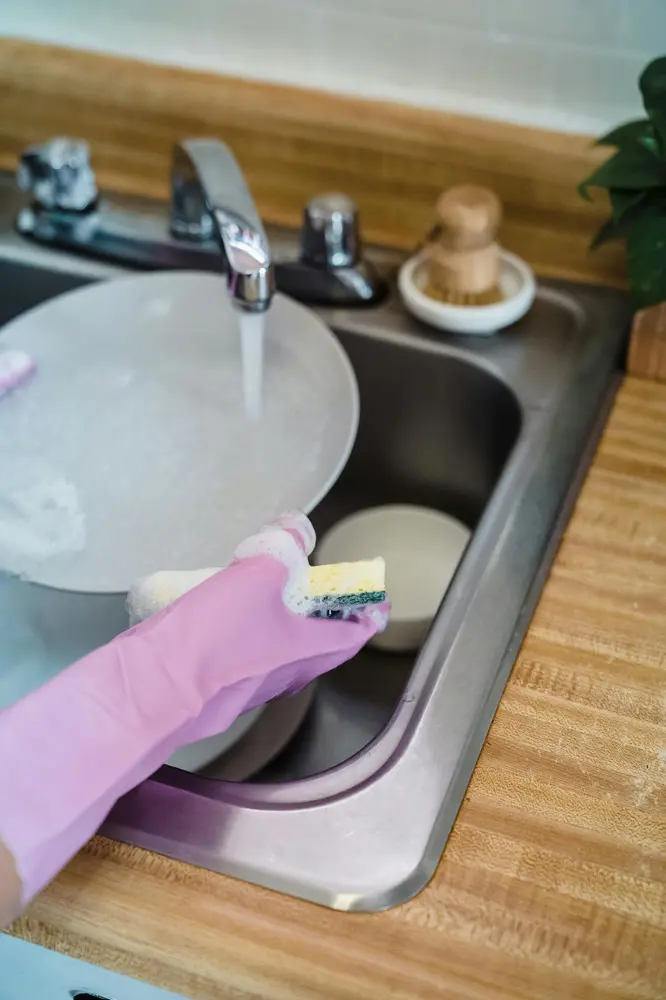
Whenever you are performing household chores such as cleaning, washing dishes, or gardening, it's better to wear gloves to save your nails. Gloves can act as a barrier, protecting your nails from exposure to harsh chemicals, detergents, and dirt.
Gloves can also protect you from other physical stressors. For instance, if you are someone who handles tools or plays sports that pose a risk to your hands, wearing gloves can help prevent nail trauma. Overall, the chance of getting the white spots is very few.
Moisturizing Regularly
Dry nails can get weak over time, making them more susceptible to damages. By applying moisturizers daily, you make sure to hydrate your nail beds, minimizing the chances of the occurrence of white spots.
To moisturize, apply a hand cream or cuticle oil that contains nourishing ingredients like shea butter, coconut oil, or vitamin E. Apply these moisturizers on your nails and cuticles several times a day, especially after washing your hands. You can also wear cotton gloves overnight to lock in moisture and allow your nails to deeply hydrate.
Manage Stress
Stress can indirectly cause nail problems by hindering important body functions. Chronic stress can lead to a severe form of white spots, so it's important to manage this aspect of your life on time.
Relaxation practices like meditation, deep breathing exercises, or yoga can be helpful in managing stress. Also, giving importance to adequate sleep and talking to a mental health professional in need can be the best ways to ensure your mental and emotional well-being.
Author
Reviewer
Biswas Kharel
Biswas Kharel is a food blogger and writer who brings a sharp eye and adventurous palate to every bite he writes about. Known for his thoughtful reflections and down-to-earth style, Biswas blends personal anecdotes with rich culinary insights—from quiet village kitchens to lively urban eateries.
His blog is a flavorful mix of travel, tradition, and honest food reviews, offering readers a window into the heart of every dish. For Biswas, writing about food isn’t just a passion—it’s a way of documenting life, one meal at a time.
Biswas Kharel is a food blogger and writer who brings a sharp eye and adventurous palate to every bite he writes about. Known for his thoughtful reflections and down-to-earth style, Biswas blends personal anecdotes with rich culinary insights—from quiet village kitchens to lively urban eateries.
His blog is a flavorful mix of travel, tradition, and honest food reviews, offering readers a window into the heart of every dish. For Biswas, writing about food isn’t just a passion—it’s a way of documenting life, one meal at a time.